Hydrangea Design for Creative Projects
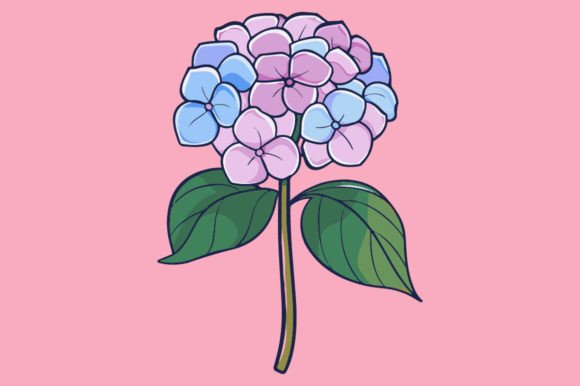
Hydrangeas are more than just beautiful flowers—they’re a symbol of creativity, adaptability, and emotional expression. With their lush clusters of petals in shades of blue, pink, purple, and white, hydrangeas bring a sense of calm and elegance to any design. Whether you're looking to add a touch of nature to your branding or create eye-catching visuals for products like shirts, posters, or tote bags, a high-quality hydrangea design can elevate your work.
Why Hydrangea is a Powerful Design Element
Hydrangeas are versatile in both style and symbolism. In many cultures, they represent gratitude, understanding, and harmony—making them ideal for businesses that value community, wellness, or organic aesthetics. Their bold yet soft appearance allows them to blend seamlessly into minimalist or maximalist designs alike. When used thoughtfully, a hydrangea motif can evoke warmth and sophistication without overwhelming the viewer.
Moreover, the flower’s ability to change color based on soil pH adds a unique layer of intrigue. This natural variation translates well into creative projects, where subtle shifts in hue or pattern can reflect different moods, themes, or brand identities. A well-crafted hydrangea design offers endless possibilities for personalization and storytelling.
Creative Applications of a Hydrangea Design
A high-quality hydrangea design isn’t limited to one use case—it can be adapted across multiple platforms and formats. Here are some realistic and impactful ways to integrate it into your business:
- Apparel & Accessories: Use the hydrangea pattern on shirts, tote bags, or even phone cases to add a stylish, botanical flair. The design works especially well in pastel tones for a calming effect or in bold colors for a vibrant statement.
- Marketing Materials: Incorporate hydrangeas into posters, social media graphics, or email headers to make your promotions feel fresh and inviting. The floral arrangement can subtly reinforce themes of growth, care, or connection.
- Stationery & Cards: From wedding invitations to birthday cards, a hydrangea illustration brings a timeless charm. Its fullness makes it perfect for backgrounds or corner accents that don't distract from the main message.
- Stickers & Labels: Add a cute and professional touch to packaging or product labels with hydrangea stickers. These are great for small businesses, particularly those in the beauty, wellness, or lifestyle sectors.
- Interior Decor: If you're an interior designer or blogger, consider using this design in wall art, cushions, or table runners. It fits naturally into bohemian, cottagecore, or modern farmhouse styles.
Designing for Different Audiences
One of the strengths of a hydrangea design is its universal appeal. However, adapting it to suit specific audiences can enhance its effectiveness:
- For Educators: Use the hydrangea motif in classroom decorations or educational materials to create a welcoming and inspiring environment. A soft, watercolor-style design might be more appropriate for younger students.
- For Marketers: Pair hydrangeas with clean typography and bold calls-to-action for campaigns focused on eco-friendly or artisanal products. The contrast between the intricate flower and straightforward messaging can help guide attention effectively.
- For Bloggers & Content Creators: Integrate the design into blog headers, Instagram stories, or YouTube thumbnails to maintain a cohesive visual theme. A stylized hydrangea in a transparent PNG format can overlay perfectly on photos or videos.
- For Entrepreneurs: Consider using the hydrangea as a logo or watermark. Its recognizable form can become a signature element of your brand identity, especially if your business is rooted in nature, gardening, or plant-based products.
Choosing the Right Style for Your Project
Hydrangea designs come in many artistic variations, each suited for different applications. Here are a few styles you might explore:
- Realistic Illustration: Ideal for photography-related content or luxury branding. This style captures the texture and depth of the actual flower, making it suitable for premium product lines or editorial features.
- Flat Vector Art: Great for digital marketing and web design. Clean lines and simplified shapes ensure scalability and compatibility across all screen sizes.
- Watercolor Texture: Offers a soft, hand-painted look that's perfect for greeting cards, stationery, and lifestyle blogs. It feels personal and organic, which resonates with audiences seeking authenticity.
- Minimalist Outline: Works well for logos, icons, and infographics. This version highlights the shape of the hydrangea without the need for color, allowing for easy customization and monochrome printing.
Each style has its own advantages, so choose one that aligns with your brand voice and project goals. For example, a boutique clothing line might benefit from a detailed, colorful illustration, while a tech startup could prefer a sleek, vector-based version for consistency in branding.
How to Use the Hydrangea Design Effectively
To get the most out of your hydrangea design, consider these practical tips:
- Maintain Clarity: Avoid overcrowding the design with too many elements. Let the hydrangea stand out by using negative space effectively. This keeps your visuals clean and professional.
- Ensure Consistency: Use the same hydrangea motif across your branding materials—whether on your website, packaging, or social media. This helps build brand recognition over time.
- Respect Format Requirements: Since you'll receive the design in Transparent PNG, EPS file, and 300 DPI formats, you can easily scale it for print or digital use. Always check resolution and file type before finalizing your output.
- Test Color Variations: Because hydrangeas come in many colors, experiment with how each shade interacts with your existing palette. Some may complement your brand colors better than others.
- Consider Cultural Meaning: Be mindful of what hydrangeas represent in different regions. In Japan, for instance, they often symbolize heartfelt emotions, while in Europe, they can mean “I’m sorry.” Understanding these nuances can help you connect more deeply with your audience.
Examples of Real-World Use
Here are a few scenarios where a hydrangea design has made a difference:
- A local florist used a stylized hydrangea on her store signage and packaging. The result was a consistent, calming aesthetic that drew in customers and reinforced her brand values of quality and care.
- An online wellness coach incorporated a watercolor hydrangea into her newsletter headers and course materials. The design added a personal touch and helped differentiate her content from competitors.
- A fashion brand printed a flat vector hydrangea on cotton tote bags and T-shirts. The simplicity of the design allowed for seamless integration with other patterns and text, resulting in a cohesive collection.
These examples show how a single design can be repurposed creatively to meet various needs and audiences. The key is to remain flexible while staying true to your core message.
Where to Start with Your Hydrangea Design
If you’re new to working with botanical illustrations, here are a few steps to begin incorporating the hydrangea design into your workflow:
- Define Your Purpose: Are you creating merchandise, promotional materials, or something else? Clarifying your goal will help you decide which style and format to use.
- Match the Tone: Does your brand lean towards whimsical, professional, or earthy? Choose a hydrangea style that reflects your tone and speaks directly to your target audience.
- Experiment with Placement: Try positioning the hydrangea in different areas of your layout—centered, in a corner, or along a border. Observe how it affects balance and focus.
- Combine with Text Thoughtfully: If using the design alongside written content, ensure readability remains a priority. Use contrasting colors or place the hydrangea behind text in a transparent format.
- Seek Feedback: Share early drafts with colleagues or friends to see how the design is perceived. Sometimes a fresh perspective can reveal unexpected improvements or issues.
Tools and Techniques for Implementation
With the right tools, integrating a hydrangea design into your materials becomes much easier. Here’s how different professionals can make the most of it:
- Graphic Designers: Use the EPS file for scalable editing in Adobe Illustrator or similar software. Adjust colors, size, and composition to fit your latest project.
- Photographers & Printers: Rely on the 300 DPI format for sharp, high-resolution prints. This ensures clarity whether you’re printing on fabric, paper, or vinyl.
- Web Developers: Utilize the Transparent PNG for overlays, buttons, or decorative elements on websites. Its transparency allows for seamless blending with background images or gradients.
- Freelancers & Small Business Owners: Save time and money by reusing the same hydrangea graphic across multiple projects. It’s a cost-effective way to maintain a professional look without reinventing the wheel.
Regardless of your role, having access to a variety of file types means you can tailor the design to your exact specifications. Just remember to keep your overall visual strategy in mind when making adjustments.
Encouraging Creativity Without Overcomplicating Things
When it comes to applying a hydrangea design, less is often more. You don’t need to turn every surface into a floral explosion—subtlety can be powerful. Think about how the hydrangea can serve as a background accent, a repeating pattern in a subtle tone, or a focal point paired with minimal text.
Try combining the hydrangea with other elements like leaves, butterflies, or geometric shapes to create layered designs. But always aim for cohesion: the hydrangea should enhance the overall look rather than compete with it. If the design feels cluttered or busy, simplify it by reducing the number of overlapping elements or adjusting the opacity of the hydrangea layer.
Hydrangea Design Tips for Specific Platforms
Different platforms require slightly different approaches. Here’s how to optimize your hydrangea design depending on where it will appear:
- Instagram: Use the hydrangea in story templates or post covers. Keep the color palette aligned with your feed for a unified look.
- Email Marketing: Place the hydrangea as a header image or a subtle watermark in the background. Make sure it doesn’t overshadow the call-to-action or main content.
- E-commerce Sites: Feature the hydrangea on product listings or banners. A high-DPI version ensures it looks crisp on all devices, including mobile screens.
- Packaging Design: Apply the design to boxes or tags for a cohesive unboxing experience. Pair it with simple fonts and muted colors for a refined finish.
By tailoring the hydrangea design to each platform, you can maintain a strong visual presence without sacrificing functionality or user experience.
Final Thoughts on Using Hydrangea in Your Work
A high-quality hydrangea design is a valuable asset for anyone looking to add a touch of nature to their creative projects. It's not just about the flower itself but how it can be transformed to suit your needs—whether that’s through color, placement, or format. As long as you approach it with intention and awareness of your audience, the hydrangea can become a meaningful part of your design toolkit.
Use the hydrangea to tell a story, express a feeling, or simply beautify your next project. With its availability in Transparent PNG, EPS file, and 300 DPI, you have the flexibility to apply it wherever inspiration strikes. Stay grounded in your purpose, embrace creativity, and let the hydrangea speak for itself.