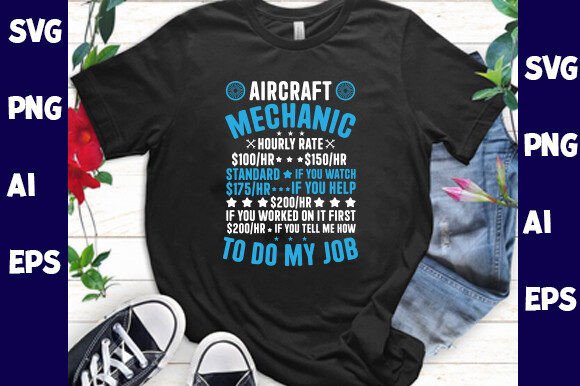
Aircraft Mechanic Hourly Rate: What You Need to Know
The term "Aircraft Mechanic Hourly Rate" might seem technical at first, but it's a crucial concept for anyone involved in aviation maintenance, whether as a professional, an educator, or even a curious hobbyist. Understanding this rate can help you manage costs effectively, evaluate labor efficiency, and make informed decisions when hiring or planning maintenance work.
What Is an Aircraft Mechanic Hourly Rate?
An Aircraft Mechanic Hourly Rate is the amount charged by a certified mechanic for their labor per hour during aircraft maintenance or repair tasks. This rate typically covers the technician’s time, tools, and expertise required to complete the job. It varies depending on location, experience, certification level, and the type of aircraft being worked on.
In the aviation industry, where safety and precision are paramount, these rates serve as a standard metric for estimating project costs. For instance, if your plane requires engine inspection and the mechanic charges $80 per hour, and the job takes 15 hours, the labor cost would be around $1,200 before parts or additional fees.
Why Is It Important?
Knowing the Aircraft Mechanic Hourly Rate helps both clients and service providers set realistic expectations. For business owners in the aviation sector, it allows for better budgeting and resource allocation. For private pilots or aircraft owners, it ensures transparency and avoids unexpected expenses. In educational settings, such as flight schools or aviation training programs, it helps students understand the financial aspects of aircraft upkeep and maintenance careers.
Factors That Influence the Aircraft Mechanic Hourly Rate
Several factors affect how much an aircraft mechanic charges per hour:
- Certification Level: A mechanic with an Airframe and Powerplant (A&P) license typically commands a higher hourly rate due to their advanced qualifications.
- Location: Rates tend to be higher in urban areas or regions with high demand for aviation services.
- Type of Work: Complex repairs like avionics installations or structural overhauls will usually cost more than routine inspections or oil changes.
- Shop Overhead: Independent mechanics may have lower rates compared to those working in large aviation facilities with higher operational costs.
- Urgency: Expedited services often incur premium rates due to the need for overtime or emergency scheduling.
It's also worth noting that some mechanics offer flat-rate pricing for specific jobs, which can be more cost-effective than hourly billing for predictable tasks. However, for custom or complex work, the Aircraft Mechanic Hourly Rate remains a reliable way to estimate costs based on actual time spent.
Practical Applications Across Industries
The Aircraft Mechanic Hourly Rate isn’t just relevant in hangars and airports. Its implications stretch across various fields, including:
Business and Aviation Management
For small aviation businesses or charter companies, tracking the Aircraft Mechanic Hourly Rate is essential for managing budgets and ensuring profitability. By analyzing labor costs against revenue, managers can optimize scheduling and reduce downtime.
Education and Training
In aviation training programs, instructors use real-world examples involving the Aircraft Mechanic Hourly Rate to teach students about maintenance economics. This knowledge prepares future professionals to handle financial negotiations and project planning in their careers.
DIY and Creative Projects
While the Aircraft Mechanic Hourly Rate primarily applies to aviation, the idea of valuing time-based labor has parallels in creative industries. For example, digital artwork ready for immediate download — such as SVG cut files — operates on a similar principle. Instead of paying someone hourly to create designs from scratch, users can access pre-made templates instantly, saving both time and money.
Comparing Aircraft Mechanic Hourly Rates and Digital Artwork Value
If we draw a comparison between the Aircraft Mechanic Hourly Rate and the value of digital artwork, especially SVG cut files, we can see how both serve different but equally important roles in their respective fields. Just as an experienced mechanic earns a premium for their skills, a well-designed SVG file offers a premium in terms of usability, versatility, and instant gratification for creators.
Digital artwork, such as SVG cut files, provides a practical alternative to traditional design work. When you purchase a bundle that includes 1 SVG File, 1 PNG File, 1 AI File, and 1 EPS File, you’re essentially investing in a toolkit that allows you to produce high-quality designs quickly and efficiently. This is especially valuable for entrepreneurs running handmade or print-on-demand businesses who need scalable assets without the overhead of hiring a designer.
Key Benefits of Using SVG Cut Files
SVG cut files are ideal for DIY projects and commercial product lines because they maintain clarity at any size and are compatible with popular cutting software like Cricut Design Space and Silhouette Studio. Here are some benefits that mirror the efficiency seen in knowing the Aircraft Mechanic Hourly Rate:
- Time Efficiency: Instant downloads eliminate the wait associated with custom design work, much like understanding labor costs helps avoid delays in scheduling maintenance.
- Cost Savings: Purchasing a single SVG file is often cheaper than paying a designer multiple hours for a similar result.
- Professional Quality: High-resolution PNGs and vector-based AI/EPS files ensure crisp, clean prints suitable for branding and marketing materials.
- Versatility: These files can be used for a wide range of applications, from T-shirts and wood signs to cards and party decor.
Real-World Use Cases for Digital Artwork
Let’s look at how digital artwork complements the Aircraft Mechanic Hourly Rate concept in different scenarios:
Entrepreneurs and Small Business Owners
Imagine you're launching a new line of aviation-themed merchandise. Rather than spending hundreds of dollars on a graphic designer to create each asset, you can buy SVG cut files that include everything from airplane silhouettes to pilot badges. With the right equipment, you can then produce custom T-shirts, aprons, or tumblers for your brand. The cost savings and speed of implementation are significant, making these files a smart investment for growing businesses.
Event Planners and Educators
Event planners organizing air shows or aviation-themed parties can use SVG files to create custom banners, invitations, and signage. Similarly, educators teaching aviation-related subjects can incorporate digital artwork into presentations, posters, or classroom decorations, enhancing engagement without requiring specialized design skills.
Hobbyists and Craft Enthusiasts
For hobbyists interested in woodworking or fabric crafts, having access to SVG files means they can experiment with aviation-inspired designs on mugs, tote bags, or wooden signs. It adds a unique touch to personal projects while maintaining a level of professionalism through precise, scalable graphics.
Choosing the Right Resources for Your Needs
Whether you're calculating the Aircraft Mechanic Hourly Rate for a scheduled maintenance task or selecting SVG cut files for your next creative project, there are key considerations to keep in mind:
- Experience and Certification: Verify the mechanic’s credentials and shop reputation to ensure quality service and fair pricing.
- File Compatibility: Make sure the digital artwork you purchase works seamlessly with your chosen software and equipment.
- Design Quality: Look for files with clean vectors and high-resolution images to ensure professional results.
- Project Scope: Estimate the complexity of your project to determine whether an hourly rate or a one-time purchase of digital assets makes more sense.
When evaluating Aircraft Mechanic Hourly Rates, don’t forget to ask about additional fees such as diagnostics, parts markup, or travel charges. For digital artwork, check for licensing restrictions — some files are for personal use only, while others allow commercial application, which is vital if you plan to sell products using the design.
Maximizing Efficiency and Creativity
Just as accurate estimation of the Aircraft Mechanic Hourly Rate can streamline maintenance operations, leveraging SVG cut files can boost productivity in creative workflows. Both require careful planning and a clear understanding of what you need and how to get it done efficiently.
Here’s how you can apply this dual approach:
- Plan ahead: Whether booking a mechanic or downloading artwork, preparation saves time and money.
- Compare options: Get quotes from multiple mechanics and review different design packages to find the best fit for your budget and goals.
- Invest in quality: Paying a little extra for a reputable mechanic or professionally designed SVG file can prevent costly mistakes later.
Final Thoughts
Understanding the Aircraft Mechanic Hourly Rate is essential for anyone involved in aviation, from business owners to hobbyists. Meanwhile, digital artwork like SVG cut files offers a powerful tool for creatives looking to bring their ideas to life without the time or expense of custom design. Both concepts emphasize the value of time, skill, and preparation — whether you're keeping an aircraft airworthy or designing the next batch of personalized merchandise.
By integrating these principles into your workflow, you can achieve greater efficiency, consistency, and creativity in your projects. So, whether you're tightening bolts on an engine or slicing shapes from vinyl, always consider the cost of time and the tools available to make it count.